



Uhrenumstellung, that familiar twice-a-year ritual in Germany, isn’t just about fiddling with clocks—it’s a clever way to sync our lives with the sun’s natural dance. As we dive into this topic, you’ll see how uhrenumstellung brightens our days, quite literally, and why it’s worth appreciating. Drawing from years of observing seasonal shifts and their effects on society, I can tell you it’s more than a mere inconvenience; it’s a system that’s evolved to make the most of daylight, fostering energy savings and outdoor activities. Hey, who doesn’t love those longer evenings in summer? In this comprehensive guide, we’ll explore everything from its origins to its future, all while keeping an optimistic eye on how it enhances our daily routines.
Understanding Uhrenumstellung
At its core, uhrenumstellung refers to the practice of adjusting clocks forward in spring and backward in fall, aligning with what many know as Daylight Saving Time (DST). In Germany, this means shifting from Central European Time (CET) to Central European Summer Time (CEST) and back. It’s a mechanism designed to maximize daylight hours during the warmer months, allowing people to enjoy extended evenings after work or school.
Why does this matter? Well, imagine wrapping up your day with sunlight still streaming in—it’s like nature’s own energy boost. Experts in chronobiology, the study of biological rhythms, emphasize that uhrenumstellung helps align human activity with natural light cycles, potentially reducing reliance on artificial lighting. Of course, it’s not without its quirks, but overall, it promotes a healthier, more active lifestyle.
To break it down simply:
- Spring Forward: Clocks advance by one hour, “losing” an hour but gaining brighter evenings.
- Fall Back: Clocks retreat by one hour, “gaining” an hour and easing into shorter days.
This system, while straightforward, requires a bit of preparation, like updating devices or reminding family members. But once you’re in the groove, it feels like second nature.
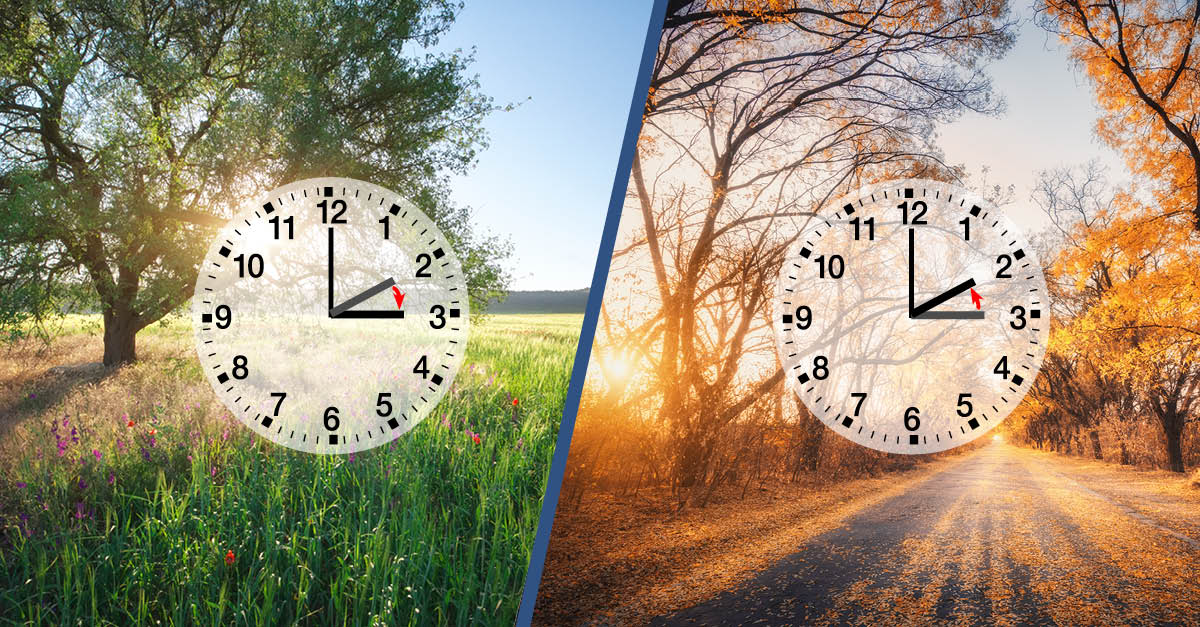
⏰ Time change 2026 to Summer Time | TFA Dostmann
The History Behind Uhrenumstellung
Uhrenumstellung didn’t just pop up out of nowhere; its roots run deep in German innovation and necessity. Back in 1916, during the throes of World War I, Germany became the first country to implement nationwide DST as a wartime strategy to conserve coal for lighting. It was a brilliant move, saving energy when resources were scarce. After the war, it was shelved, only to resurface during World War II from 1940 to 1942, even extending to year-round application in some periods.
Post-war, uhrenumstellung took a hiatus until 1950, but the oil crisis of the 1970s sparked renewed interest across Europe. France led the charge, and by 1980, both East and West Germany jumped back on board to harmonize with neighbors and streamline cross-border operations. Since reunification, it’s been a staple, observed for over 60 years in total.
This history showcases Germany’s forward-thinking approach—always adapting to global challenges with practical solutions. It’s inspiring how a simple clock tweak has endured through eras of turmoil and progress, proving its resilience.
How Uhrenumstellung Works in Practice
Ever wondered about the nuts and bolts of uhrenumstellung? It’s all about timing and coordination. In Germany, the change happens on the last Sunday in March for the forward shift and the last Sunday in October for the backward one. At 2 a.m. local time in spring, clocks jump to 3 a.m., effectively shortening the night. Come fall, at 3 a.m., they revert to 2 a.m., giving everyone an extra hour to savor.
Most modern devices, like smartphones and computers, handle this automatically, thanks to built-in time zone settings. But for analog clocks, watches, or older appliances, it’s hands-on. Public transport and airlines adjust schedules seamlessly, often with announcements to keep passengers in the loop.
Here’s a quick table outlining the process:
| Season | Action | Time Change | Effect on Day Length |
|---|---|---|---|
| Spring | Forward 1 hour | 2 a.m. to 3 a.m. | Shorter night, longer evenings |
| Fall | Backward 1 hour | 3 a.m. to 2 a.m. | Longer night, extra sleep hour |
Transitional phrases aside, getting used to it is a breeze once you plan ahead—set reminders the day before, and you’re golden.
Key Dates for Uhrenumstellung in 2026
Looking ahead to 2026, uhrenumstellung remains on the calendar, bringing its usual blend of adjustment and opportunity. Mark your planners: on Sunday, March 29, 2026, clocks spring forward at 2 a.m., ushering in CEST. Then, on Sunday, October 25, 2026, they fall back at 3 a.m., returning to CET.
These dates align with the European Union’s standardized schedule, ensuring smooth travel and business across borders. If you’re traveling to or from Germany around these times, double-check flight times—airports like Frankfurt are pros at handling the switch.
Optimistically, these changes signal the start of vibrant seasons: spring’s renewal and fall’s cozy vibes. It’s a gentle reminder that time, much like life, keeps moving forward.
The Positive Sides of Uhrenumstellung
Let’s shine a light on the upsides—uhrenumstellung packs plenty of perks that make it a net positive. For starters, it maximizes daylight during peak activity hours, encouraging outdoor pursuits like cycling in Berlin’s parks or hiking in the Black Forest. Studies show this can boost vitamin D levels and overall mood, warding off seasonal blues.
Energy conservation is another win; by reducing evening electricity use, it cuts down on fossil fuel consumption. In an era of climate awareness, that’s huge. Businesses, especially in retail and tourism, thrive with extended daylight, drawing more foot traffic.
- Safer Roads: Fewer accidents in well-lit conditions.
- Economic Boost: Leisure industries see upticks in activity.
- Environmental Edge: Lower carbon footprints from reduced lighting needs.
Sure, the initial adjustment might ruffle feathers, but the long-term gains? They’re worth every tick of the clock.
Potential Drawbacks and Health Concerns
No system’s perfect, and uhrenumstellung has its share of critics—yet, with awareness, these can be managed optimistically. Some folks experience temporary sleep disruptions, akin to mild jet lag, leading to grogginess. Research from the German MONICA/KORA registry suggests a slight uptick in myocardial infarctions around transitions, possibly due to circadian rhythm shifts.
However, these effects are often short-lived, and simple strategies like gradual bedtime adjustments can mitigate them. Critics argue it’s outdated, but ongoing debates highlight potential reforms rather than outright dismissal.
On the bright side, knowing these challenges empowers us to adapt—think of it as building resilience, one clock change at a time.
Uhrenumstellung’s Impact on Daily Life
In everyday German life, uhrenumstellung weaves into the fabric of routines, often sparking conversations over coffee. Families might use the extra fall hour for a leisurely breakfast, while spring’s shift motivates evening barbecues. Schools and workplaces see minimal disruption, thanks to widespread automation.
For expats or visitors, it can be a fun cultural immersion—joining locals in the ritual of resetting clocks. Public services, from trains to hospitals, operate flawlessly, showcasing Germany’s efficiency.
Daylight Saving Time: Why does Germany change the clocks twice a year?
Bullet points for coping tips:
- Adjust sleep schedules gradually a few days prior.
- Use the extra light for exercise, boosting endorphins.
- Sync all devices to avoid mix-ups.
Ultimately, it fosters a sense of community, as everyone navigates the change together.
Economic Implications of Uhrenumstellung
Economically speaking, uhrenumstellung is a boon, stimulating sectors that rely on daylight. Tourism flourishes with longer days for sightseeing, from Munich’s beer gardens to Hamburg’s harbors. Retail sales often spike, as people linger outdoors shopping.
On the flip side, there’s a minor dip in productivity right after the change, but it rebounds quickly. Energy savings translate to lower utility bills for households and businesses alike.
A table comparing pros and cons economically:
| Aspect | Positive Impact | Potential Challenge |
|---|---|---|
| Energy | Savings on lighting | Initial adjustment costs |
| Commerce | Increased consumer activity | Brief productivity lull |
| Transport | Smoother operations | Schedule tweaks needed |
Looking forward, these implications underscore uhrenumstellung’s role in a thriving economy.
The Future Outlook for Uhrenumstellung
What’s next for uhrenumstellung? The EU has mulled abolishing it since 2019, with surveys showing many Germans favor permanence—71% in one poll wanted to ditch the changes. Yet, as of 2026, it’s still in play, delayed by priorities like energy crises.
Optimistically, if changes come, they could mean stable time zones, easing international coordination. Whether we keep it or not, the focus remains on what’s best for well-being and sustainability. Germany, ever innovative, will adapt gracefully.
Fazit
In wrapping up, uhrenumstellung stands as a testament to human ingenuity, harmonizing our clocks with the sun’s generous light. From its wartime origins to modern-day benefits, it enriches lives in subtle yet profound ways. Sure, there are hurdles, but with preparation and positivity, they become stepping stones. As Germany continues this tradition in 2026 and beyond, let’s embrace it—after all, time waits for no one, but uhrenumstellung makes sure we make the most of it.
FAQs
What exactly is uhrenumstellung?
Uhrenumstellung is the German term for the clock changes associated with Daylight Saving Time, where clocks are adjusted forward in spring and backward in fall to optimize daylight usage.
When does uhrenumstellung happen in 2026?
In 2026, the spring forward occurs on March 29 at 2 a.m., and the fall back on October 25 at 3 a.m.
Does uhrenumstellung save energy?
Yes, it reduces the need for artificial lighting in the evenings, leading to energy savings, though the extent can vary based on location and habits.
Are there health risks with uhrenumstellung?
Some studies indicate temporary increases in heart issues or sleep disturbances, but these are generally mild and can be minimized with good sleep hygiene.
Will uhrenumstellung end soon in Germany?
While discussions continue in the EU, as of 2026, it’s still observed, with no immediate plans for abolition.
